
When people grow older then their bodies, minds and feelings change. They may need special medical care. A gerontologist is the doctor who cares for older adults and supports them to stay safe, comfy and healthy. Knowing the correct questions to ask a gerontologist helps seniors and caregivers know health complications, treatment selections and ways to stay well. Questioning important questions about aging health care too makes doctor visits clearer and more helpful.
This guide covers the topics to discuss, so seniors and caregivers can make better choices for long-term health, everyday care and overall quality of life.
General Health and Aging
What Are the Most Common Health Issues with Aging?
The people bodies change as they get older. Common health difficulties include high blood pressure, joint discomfort, weak bones, diabetes and memory problems, as outlined by the National Institute on Aging. The older adults may get sick easily as their immune systems starts weaken. A gerontologist helps and clarify that which changes are normal with age and which ones require medical care.
How Can I Prevent or Manage Age-Related Diseases?
Stopping to health complications is essential as we get older. Asking what to ask a senior health doctor about stopping diseases can help you learn about vaccines, check-ups or healthy foods, exercise and taking medicines safely. Studies display that simple lifestyle changes like moving your body habitually, eating nutritious meals, not smoking and managing stress—can lower the chance of heart complications, stroke and diabetes. A gerontologist can make a plan only for you centred on your health, family history and daily habits.
Mental and Cognitive Health
What are the early signs of cognitive decline or dementia?
As people get older then keeping the brain healthy is key. One essential gerontologist care question is how to notice early symptoms of memory loss or dementia. Recognizing early signs of dementia is important, as explained by the Alzheimer’s Association
Early signs may include:
- Overlooking to recent events or talks
- Trouble finding the correct words or names
- Getting confused with daily tasks
- Making poor decisions
- Variations in mood or behaviour
Noticing to these signs and speaking to a gerontologist can help in recover life and get support.
How can I maintain or improve cognitive health as I age?
This is most important questions for aging health care. It helps to do mental, physical and social activities to have healthy brain. Reading, doing puzzles or learning new things can make your mind strong. Workout, healthy food and spending time with friends can help your brain. Doctors also say that good sleep, having your blood pressure normal and checking your hearing are key for memory and thinking as you age.
What mental health conditions are common in the older adults and how can they be managed?
Depression, anxiety and loneliness are common in older adults but are frequently ignored. Many seniors may hide how they feel or think it is usual with age which making it tough to notice early. Asking a gerontologist about these feelings can help get a correct support. Treatment can include speaking to the counsellor, taking medicine, remaining active, following healthy routines and joining to social or community activities. Taking care of mental health helps seniors feel better, stay healthier and enjoy life more.
Physical Health and Mobility
How can I improve or keep my mobility when I get older?
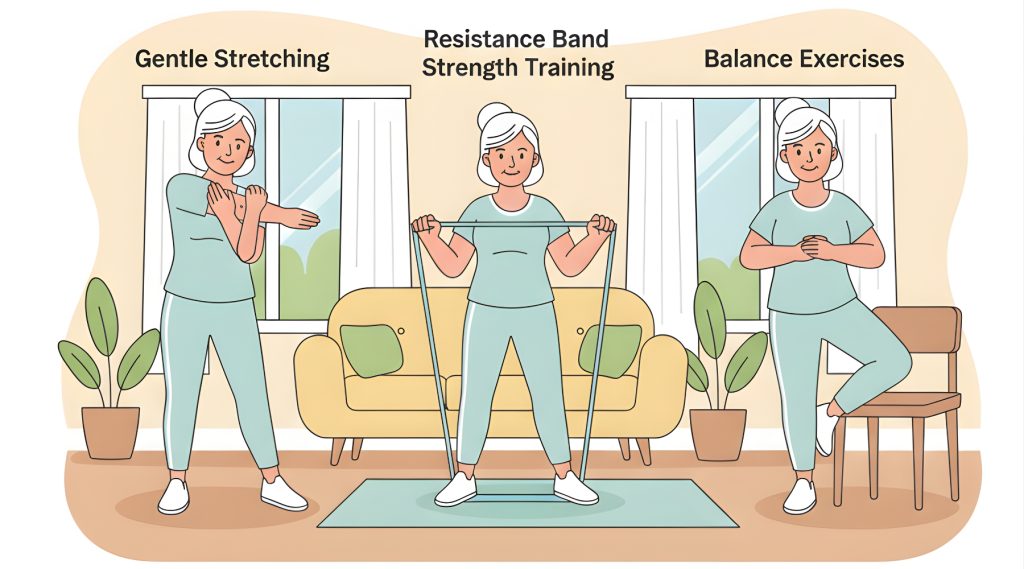
Keeping on mobile helps you stay independent and active. Over time, muscles can weaken, joints can stiffen and balance may worsen as we become aged. Balance exercises and strength training are proven ways to reduce fall risk, as recommended by the National Council on Aging.
Ways to stay mobile:
Gentle workouts: Walking, swimming or cycling help muscles and joints move.
Strength exercises: Light weights or resistance bands strengthen to the muscles.
Balance exercises: Tai chi, yoga or simple moves help to stop falls.
Physical therapy: Programs made for you can help with movement complications.
Support devices: Canes, walkers or grab bars make moving safer.
Doing a little bit each day helps you stay active and independent.
What are the best practices for managing chronic pain?
Many older adults have continuing discomfort due to arthritis, back problems or joint wear. Questioning what to ask a senior health doctor about discomfort can help you find techniques to feel better without only using medicine. The techniques to help include a kind workout, physical therapy, having a healthy weight using heat or cold, relaxation practices and sometimes treatments like acupuncture. Doctors at an older adults’ center focus on easing pain safely and helping you perform everyday activities. Knowing to these approaches helps seniors stay active and feel well.
How often should I have routine screenings and check-ups?
The consistent health check-ups become more essential as we get older. Gerontologist care questions frequently include tests for blood pressure, cholesterol, bones, eyes, ears and some kinds of cancer.
A gerontologist can tell you which tests you actually want centred on your age, health and life situation so you don’t do more tests but still catch timely serious problems.
Lifestyle, Nutrition and Fitness
What type of diet is recommended for seniors?
Eating well is key for older. It helps seniors stay strong, have energy and stay healthy. Questioning about aging, health care and food helps ensure that they receive nutrients that they need. A diet rich in fruits, vegetables, whole grains and lean protein is recommended by Harvard Health for healthy aging. Some doctor’s of older adults may similarly recommend vitamins such as D, calcium or B12 to keep their body healthy when required.
How can I stay active and fit as I get older?
Moving your body is key as you get older. In tis way, exercise keeps your heart, muscles and bones strong. It can make you feel happier, less worried and safer from falling. A gerontologist can help pick workouts that are safe for your body and balance. And more, doing some minor exercises each day, can make your life easier and more exciting.
Some tips to stay active:
- Walk habitually or use a treadmill;
- Swim or do water workouts;
- Do mild chair exercises or stretches;
- Try light weight exercises for muscles and bones.
- Practice balance exercises to avoid falls.
Are there any lifestyle habits I should avoid from them?
Some habits can create health problems as we get older. Ask to a senior doctor about things to avoid. Smoking, drinking too much alcohol, poor sleep and sitting too much can hurt to your heart, brain and immunity. Doctors can clarify how these habits disturb you and give easy instructions to change. Small steps like walking, sleeping well and drinking less alcohol can make you healthier, stronger and more active.
Social and Emotional Well-being
How can I stay connected and avoid loneliness?
Feeling alone can make you sad, forgetful and disturb your health. One key gerontologist care question is about staying social. Being with others can make you feel happier.
Ways to stay connected:
- Join to clubs, groups or community activities.
- Volunteer and meet new people.
- Talk or visit family and friends frequently.
- Go to social events or group activities.
Good friendships and connections help you feel stronger or happier and healthier.

Which resources or support services are available for seniors?
Questioning about local resources is one of most important questions for aging health care. Seniors can get assistance from places like senior centers, transportation services, home care, meal delivery and support for caregivers. These services support to older adults in staying independent, meeting people and making life easier for family members. Gerontologists can help seniors and families find right programs to help them stay healthy and enjoy everyday life more.
How do I ensure I am getting emotional support?
Feeling emotionally good is essential as we get older. Gerontologists can recommend talking to a counsellor, joining to support group or getting therapy. Sharing timely your concerns, sadness or stress can prevent more serious problems later. Spending your time with friends, family or other people helps. Requesting for help is a smart way to feel happier or healthier each day.
Planning for the Future
What should I know about advance care planning?
Planning onward is key. Advance care planning helps ensure medical wishes are respected, as explained by the National Hospice and Palliative Care Organization. Timely planning can reduce stress on your family and ensure your wishes are carried out.
How can I prepare for long-term care needs?
Talking about your future care like assisted living or nursing homes helps you and your family prepare emotionally and financially. Questioning these questions on time helps you to know prices, timing and options which previously became urgent.
How do I ensure my wishes are respected?
Using the legal and medical papers is important. Questioning about documentation makes sure that doctors and family know your selections and follow them if you can’t speak for yourself.
Conclusion
To conclude that remaining healthy as we get older means questioning the correct questions and being prepared. Questions to ask a gerontologist and what to ask a senior health doctor help seniors and caregivers know health problems, ways to stop them, everyday habits and emotional well-being. Preparing these questions makes it easier to receive care that truly fits individual needs. For seniors who require personalized in-home support, home health care Seattle services can provide professional assistance that helps older adults stay safe, independent, and comfortable in their own homes. Talking openly with healthcare providers builds trust and helps prevent health problems from becoming more serious, allowing seniors to live with confidence, dignity, and peace of mind.